
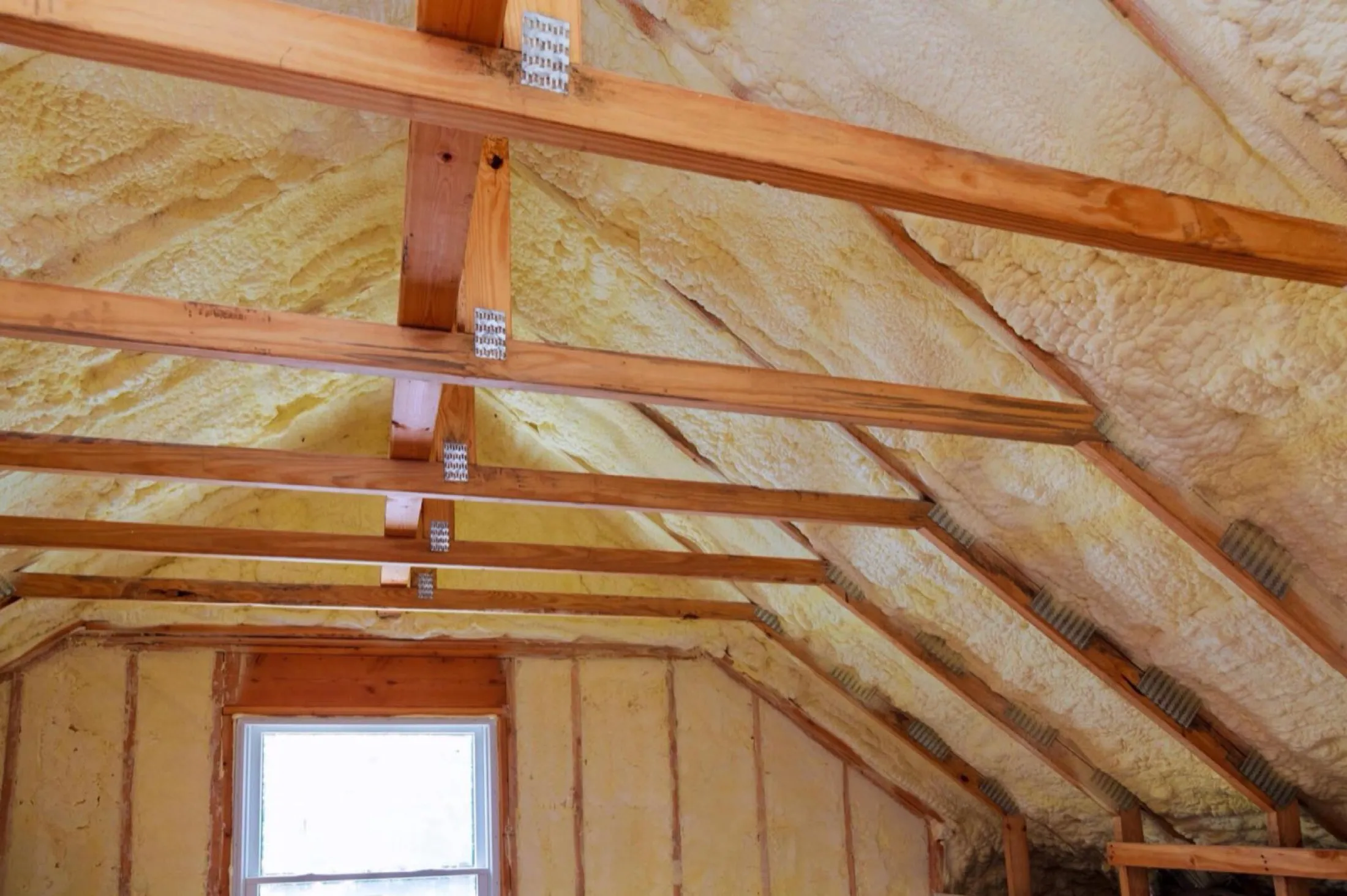
Blow-In Insulation in Arizona
Blown-in loose-fill insulation that fills Arizona attics and enclosed cavities for better, more even coverage.
Triumph Insulation Group installs blown-in insulation for attics and enclosed cavities across Tempe, Mesa, Chandler, Gilbert, Ahwatukee, Guadalupe, Scottsdale, and Phoenix. Loose-fill material can cover broad areas and settle around framing where hand-placed insulation is difficult to fit.
Blow-in work is often considered when an attic has thin, uneven, or aging insulation but does not require a full foam assembly. The right scope depends on existing depth, access, air sealing needs, and whether damaged material should be removed first.
How Loose-Fill Coverage Works
Blown-in insulation is installed through a hose so the material can spread across an attic floor or into selected cavities. It can fill around joists, wires, and shallow obstructions more evenly than pieces cut by hand.
Coverage still needs control. Depth markers, clear access paths, and attention around attic edges help keep the finished surface consistent instead of leaving thin patches in hard-to-reach corners.
Good Fits for Blow-In Insulation
Loose-fill insulation can make sense for attic top-offs, older homes with settled material, and areas where the main goal is improving thermal coverage across an open attic plane. It can also fit certain enclosed spaces when access points can be planned cleanly.
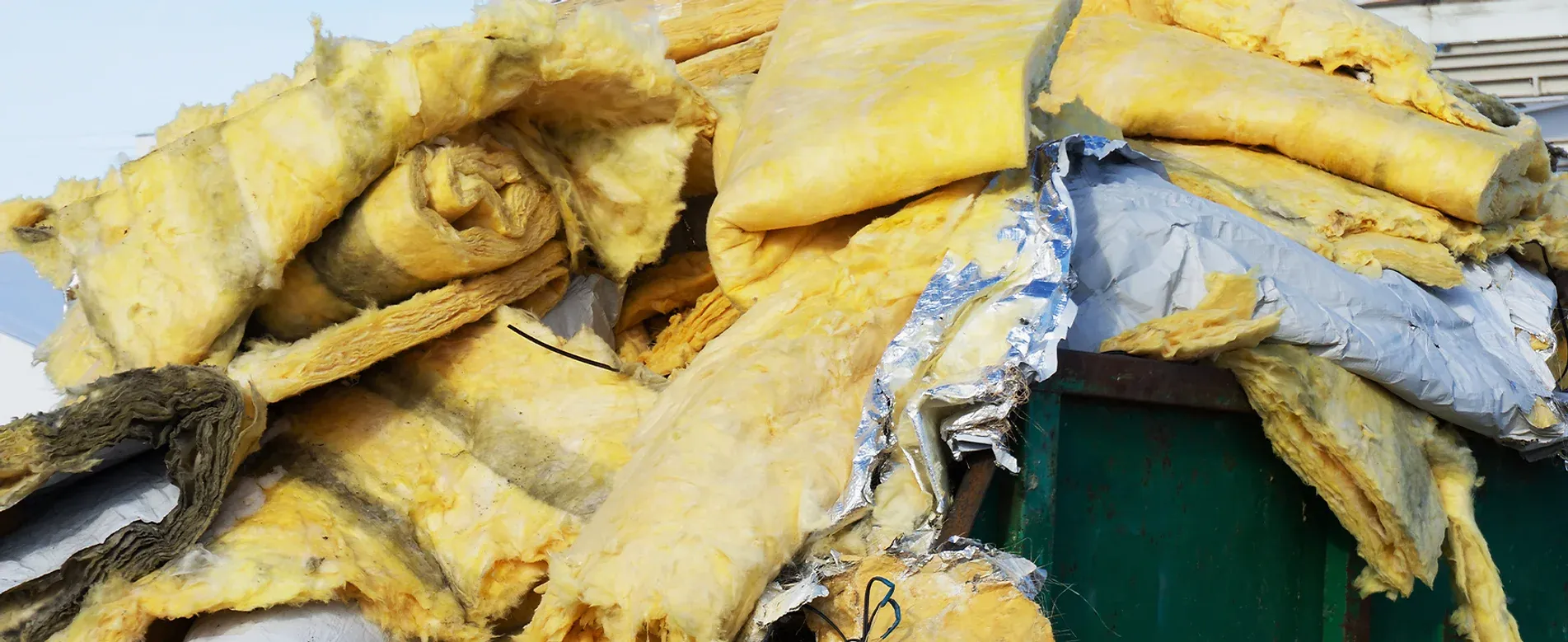
It is not the answer for every project. If air leakage, roof-deck insulation, moisture concerns, or contaminated material are the main issue, the estimate should address those conditions before adding more material.
Depth, Density, and Settling
Loose-fill products are measured by installed depth and expected coverage, and different materials behave differently after installation. A careful plan accounts for the depth needed after the material has had time to settle.
The attic should also be checked for blocked vents, recessed fixtures, bath fan terminations, and other details that can affect the final scope. Insulation depth alone does not fix every attic problem.
Blow-In Compared with Batts
Batts work well in open framing when they can be cut and fitted neatly. Blow-in insulation is often better for irregular attic floors where loose material can flow around framing members and shallow obstructions.
The choice comes down to access and the assembly. Triumph can explain whether the space calls for a loose-fill top-off, fitted batts, or a combination with targeted air sealing.
Blow-In Compared with Spray Foam
Blow-in insulation slows heat transfer across the insulated plane, while spray foam can also help control air movement where it is applied. That difference matters in attics with ductwork, roof-deck plans, or major leakage paths.
For many homes, loose-fill material is a practical attic option. For garages, roof decks, shops, or assemblies where air sealing is central to the scope, spray foam may need to be evaluated separately.
What A Free Estimate Covers
A free blow-in estimate can include existing insulation depth, attic access, areas that need protection, whether air sealing should happen first, and whether removal is needed before new material is added.
The goal is a straightforward scope: what material will be used, where it will be installed, what preparation is required, and which parts of the attic are included.
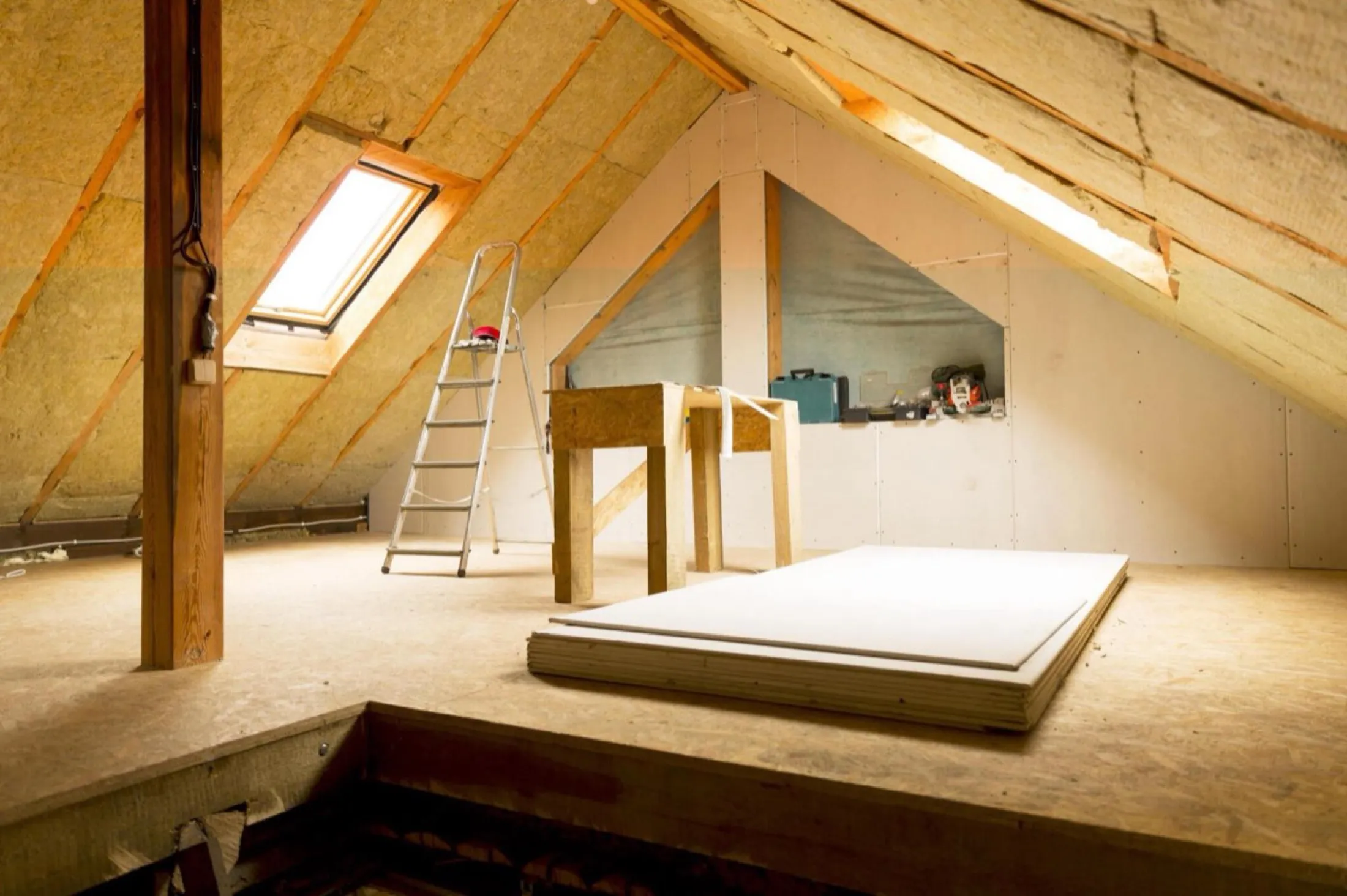
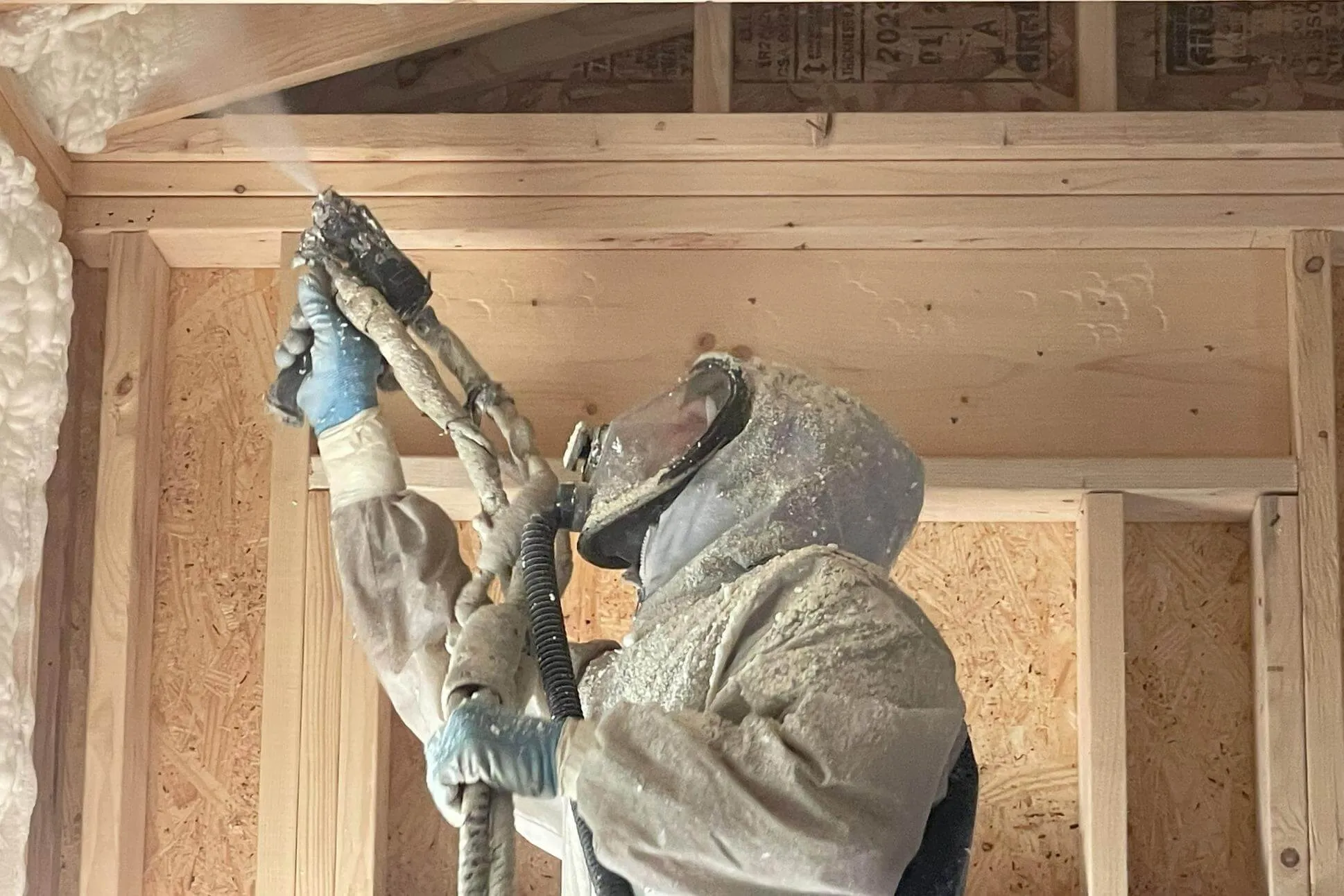
Spray Foam in Action
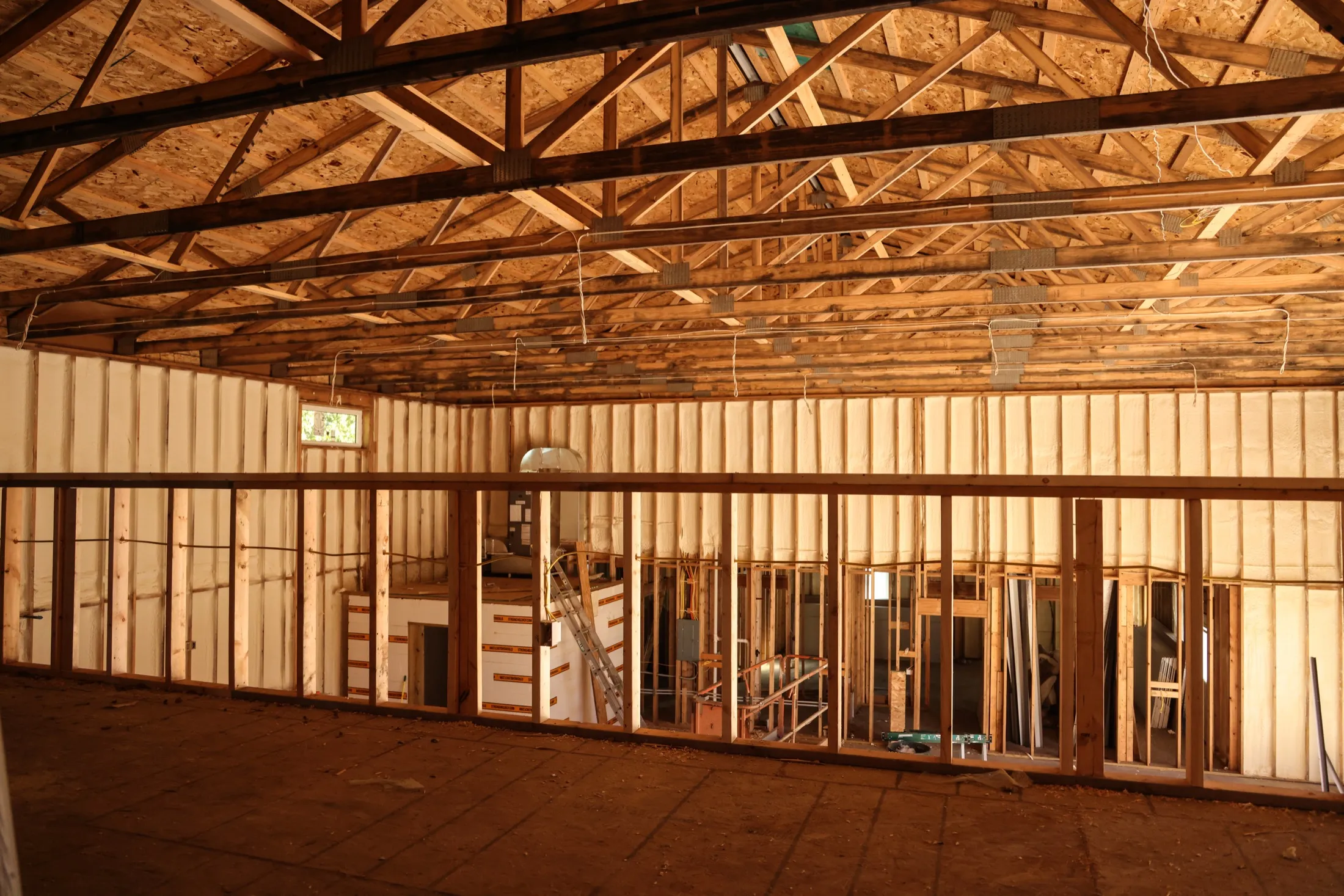
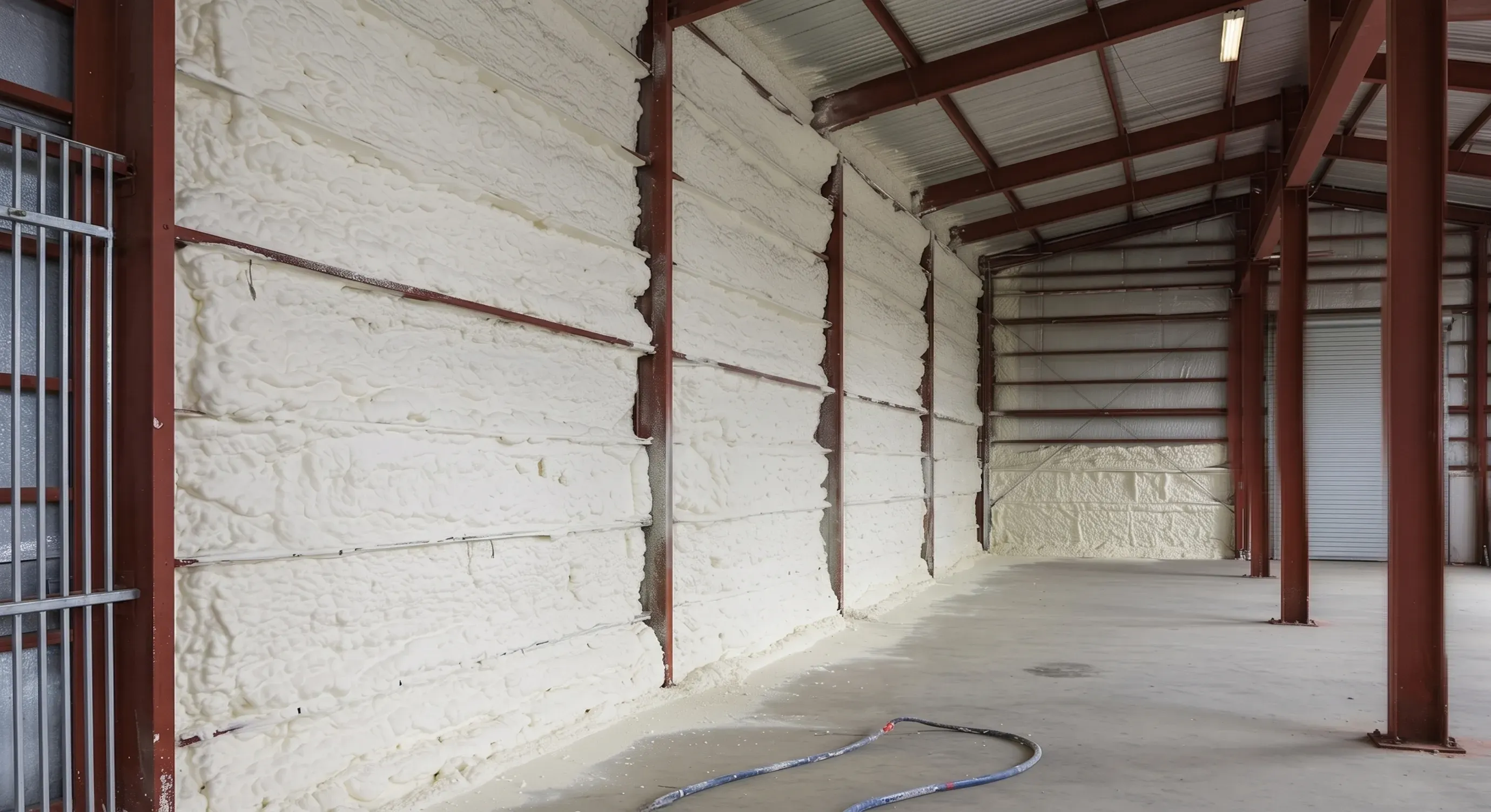
Other Insulation Services
Common Questions
Is blow-in insulation a good fit for Tempe-area buildings?
Yes. Blow-In Insulation works well for many Tempe-area homes and commercial buildings, but the right choice depends on the space, the assembly and how it is used. During a free estimate we confirm whether blow-in insulation or another option fits your building.
How much does blow-in insulation cost?
Cost depends on the area being treated, the material and thickness, access and prep. Estimates are free and given in writing, so you know the price before any work begins.
How long does a blow-in insulation project take?
Most projects are completed quickly once scheduled. Your written estimate includes the expected timeline for your specific Tempe-area project.
Want to Know What Your Project Would Cost?
Tell us about the property and we'll help you determine the next step.
Free Estimates • Tempe-Based Team • Residential & Commercial